

A rip current is a narrow, fast current that flows away from the shore through breaking waves. If you are caught in one, do not fight it: stay calm, float, then swim sideways across the current towards breaking waves, and call or wave for help if you are tiring. A Philippine Coast Guard (PCG) rescue diver gave similar core advice, as reported by GMA News on 24 June 2026: do not panic, do not swim straight back against the current, and move out of it to the left or right. We could not find the PCG's own advisory, so this is the news report of his comments.
This guide is general information, not a substitute for training. In an emergency, call 911.
What is a rip current?
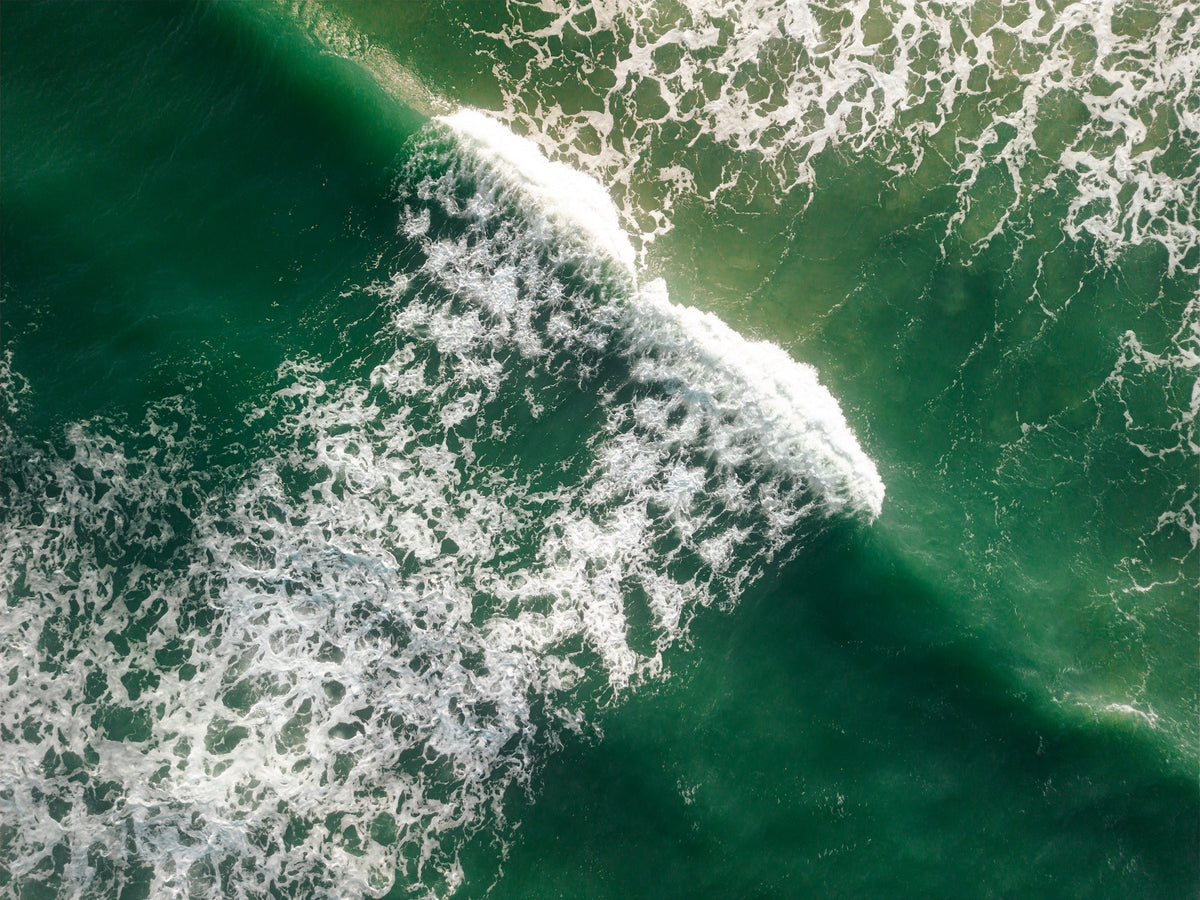
Waves push water towards the beach, and that water has to return to the sea. A rip current is where much of it returns in one narrow channel. The International Life Saving Federation (ILS) describes rip currents as strong, narrow, seaward-flowing currents that can occur on any beach where waves break across a wide surf zone (ILS Lifesaving Position Statement LPS 18, Rip Current Safety Advice, 2020). The file is dated March 2020 in its name and document properties; the statement itself shows no separate edition date that we could read.
The United States' National Oceanic and Atmospheric Administration (NOAA) says rip currents can reach about eight feet per second, roughly 2.4 metres per second, faster than an Olympic swimmer (NOAA National Ocean Service, Rip currents, page updated September 2026). NOAA adds that swimmers who fight the current put themselves at risk of drowning through fatigue.
A rip current is not the same as a rip tide. NOAA uses "rip tide" for tidal currents moving through inlets, estuary mouths and harbours, which is a different hazard (NOAA). Marine hazards are covered separately.
How do you spot a rip current?
Rips are easiest to miss from the sand and easier to see from higher ground, such as a seawall or headland. ILS lists seven common signs:

- a narrow band of deeper, darker water extending seaward;
- a narrow band extending offshore with fewer breaking waves;
- a disturbed, rippled patch surrounded by smoother water;
- debris floating seaward;
- foamy, turbulent or sandy, discoloured water extending beyond where the waves break;
- a large bowl-shaped dip carved into the beach;
- a pier, groyne or breakwater next to the water (ILS, LPS 18).
ILS adds that not every rip shows these signs and that these signs are not unique to rips. When in doubt, ask the lifeguard on duty where to swim.
Do rip currents happen in the Philippines?
Yes, wherever waves break onto a beach. We searched for a national count of rip current incidents and found none, so we cannot say how many rescues or deaths they cause here. The figures we did find, such as Holy Week drowning totals, do not separate rip currents from other causes.
What the public record shows is individual incidents:
- La Union, January 2026. A Coast Guard member on patrol rescued a 16-year-old swept about 15 metres from shore at Urbiztondo, San Juan, while two companions also struggled to return. Coast Guard Station La Union urged the public to "remain vigilant" and heed advisories in a social media post quoted in the report, and authorities noted that the northeast monsoon (amihan) was bringing rough seas to northern Luzon's coasts (Interaksyon, 13 January 2026).
- Dagupan, May 2025. A father and his two young children were caught in a strong rip current at Tondaligan Beach. Lifeguards rescued the two-year-old; the father died. The chief lifeguard described the rip current to the reporters (GMA Regional TV, 19 May 2025).
Rough, wave-exposed coasts are the usual setting for rips, and the amihan and typhoon seasons raise wave heights. See Typhoons, storm surge and flash floods for signals and sea conditions.
What should you do if you are caught in a rip current?
ILS endorses a standard set of survival steps, and stresses that no single strategy works in every situation:
- Stay calm and conserve energy. Panic and straight-line swimming against the current wastes energy.
- Signal for help, especially if you are close to a lifeguard or other swimmers.
- Float. Go with the current and see whether it returns you to shallower water.
- Swim sideways. Swim across the current, roughly parallel to the beach, towards areas where waves are breaking.
- Reassess often. If your plan is not working, try another. You may need to change approach several times (ILS, LPS 18).
A Coast Guard rescue diver, Petty Officer 3rd Class Herbert Sindac, said the strong part of a rip is often only about three to four metres wide, so floating, noting which way the water is moving, and then swimming out to the left or right can get you clear. If you are exhausted, float on your back and make small arm movements while waiting for rescue (as reported by GMA News, 24 June 2026). Width varies from beach to beach, so do not treat three to four metres as a rule.
Once you are out of the current, ILS advises returning to shore while staying clear of the rip: walk, swim or bodysurf in.
NOAA's advice is the same on one point worth repeating: do not try to swim straight back to shore against the current (NOAA).
Does a rip current pull you under?
No. The US National Weather Service puts it plainly: "A rip current will not pull you under water", although it can pull a swimmer away from the beach beyond the breaking waves. The danger is exhaustion and panic, which is why floating and conserving energy come first.
What if someone else is caught?
Do not run in after them. The Coast Guard rescue diver advises that an untrained rescuer can be grabbed and pulled under: one person calls for professional help (911 or the nearest lifeguard) while others find something to throw or extend, such as a flotation device, rope, pole or piece of wood, and the swimmer is told to float and move sideways (as reported by GMA News). The National Weather Service gives matching advice: call a lifeguard or emergency services right away, throw something buoyant if help is not immediately available, and enter the water only with a flotation device (NWS).
For more on recognising drowning and getting help, see Recognising drowning and getting help.
How to lower your risk before you swim
- Swim at a supervised beach within sight of a lifeguard. ILS says swimming near a lifeguard at a supervised location is the best way to reduce your risk (ILS, LPS 18).
- Watch the water for a few minutes before getting in, and look for the signs above.
- Obey flags and warnings. The Coast Guard rescue diver listed swimming in red-flag areas as a common mistake that leads to drowning (GMA News). We found no nationwide flag code. As one local example, the Pangasinan provincial disaster office described red, yellow, green and purple flags for Lingayen's beach in 2017, with red meaning high hazard or rough current and purple meaning marine creatures such as jellyfish (Punch Dagupan, 2017). Meanings may differ elsewhere, so ask the lifeguard or resort what the flags mean on the day.
- Keep weak swimmers and children close, in properly fitted flotation, and well inside the lifeguard's view. See Kids and water safety.
- Leave the water when waves look bigger than expected. The same rescue diver warned that a large wave can roll a swimmer under and cause injury (GMA News).

Flotation is no substitute for knowing the beach and choosing where to swim. If you are shopping for it, browse Safety Buoys, or the Kids collection for children's flotation.
Rip currents are one of several beach risks. For the wider picture, see Where and how drownings happen in the Philippines, Drowning in the Philippines: the numbers and the Basics & Risks hub.
Related RESTUBE products


Sources
- International Life Saving Federation (2020). Lifesaving Position Statement LPS 18: Rip Current Safety Advice. https://ilsf.org/wp-content/uploads/2020/03/LPS-18-Rip-Currents-Position-Statement-200303.pdf
- NOAA National Ocean Service (page updated September 2026). Rip currents. https://oceanservice.noaa.gov/facts/ripcurrent.html
- US National Weather Service. Rip current safety page. https://www.weather.gov/news/211309-7ripcurrent (no date shown on the page; accessed 12 October 2026)
- GMA News (24 June 2026, updated 15 July 2026). "What should swimmers do when waves suddenly intensify? PCG rescue diver gives life-saving tips." https://www.gmanetwork.com/news/lifestyle/healthandwellness/992524/what-should-swimmers-do-when-waves-suddenly-intensify-pcg-rescue-diver-gives-life-saving-tips/story/ (news report of a PCG officer's comments; PCG's own post not found)
- Interaksyon (Philstar) (13 January 2026). "Teen almost drowns amid strong sea currents in La Union beach." https://interaksyon.philstar.com/trends-spotlights/2026/01/13/307579/teen-strong-sea-currents-la-union-beach/ (news report quoting a Coast Guard Station La Union post)
- GMA Regional TV (19 May 2025). "Father drowns during swim with kids in Dagupan." https://www.gmanetwork.com/regionaltv/news/108173/father-drowns-during-swim-with-kids-in-dagupan/story
- Punch Dagupan (2017). "Watch out for beach warning flags – PDRRMO." https://punch.dagupan.com/?p=557894
Last reviewed: 12 October 2026.