

For open-water swimming, water safety bodies such as RLSS UK and Swim England advise swimming with a buddy or at a lifeguarded spot, being visible with a bright cap and a tow float, planning your exit before you enter, and getting out early if you tire. This guide adapts that advice to Philippine seas, lakes and rivers, where warm water brings different risks: heat, strong currents, marine life and sudden weather.
This guide is general information, not a substitute for training. In an emergency, call 911.
What makes open water different from a pool?
A pool has walls, a known depth, clear water and often a lifeguard. The sea, a lake or a river has none of these guarantees. Depth can change suddenly, water can be moving, you may be far from a place to stand, and help may be some minutes away. The International Life Saving Federation (ILS) announced its Open Water Drowning Prevention Guidelines on 12 May 2010, produced by an 18-member international task force from 12 countries, covering drowning prevention in open water such as lakes, rivers and the ocean (ILS announcement, 2010). We have read the announcement, not the guidelines themselves, so we do not summarise their contents here.
Most published open-water advice comes from the United Kingdom, where the main danger is cold. Philippine water is usually warmer, so we keep the advice that applies anywhere and adapt the rest. Where a recommendation depends on a UK number, such as a minimum water temperature, we leave it out.
Check the place before you enter
Spend two minutes before you get in.

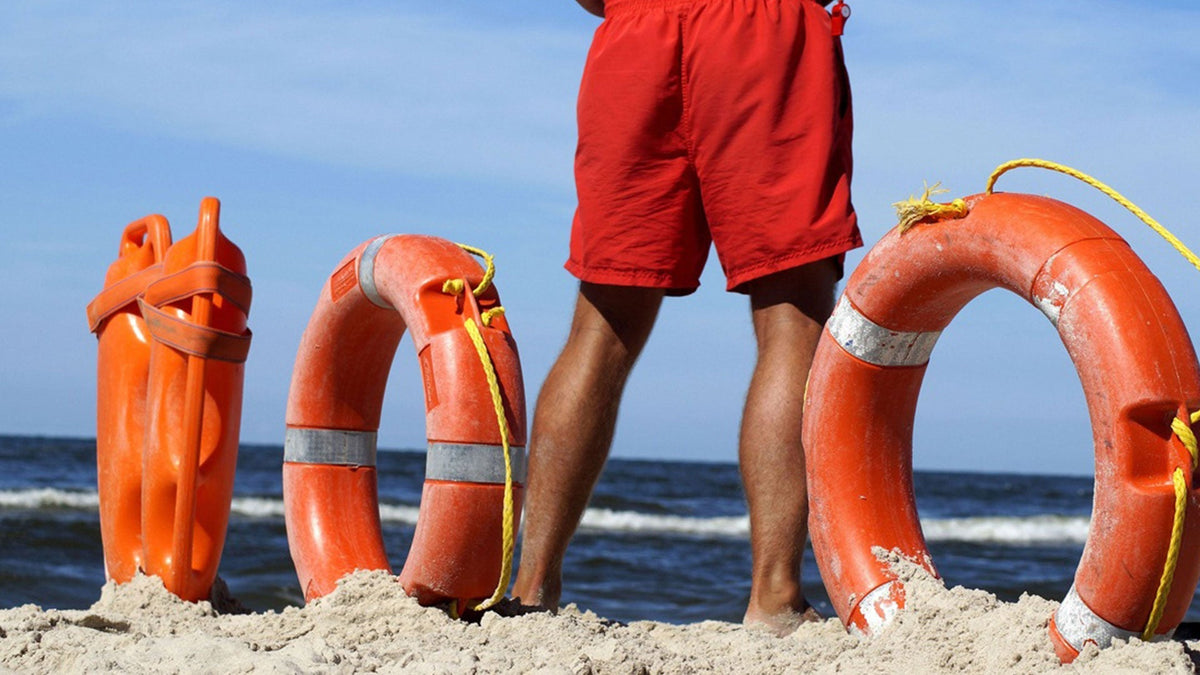
- Is there a lifeguard? Swim England advises swimming under lifeguard supervision unless you are a competent open-water swimmer, and RLSS UK's Water Safety Code says to swim at a lifeguarded venue (RLSS UK, Water Safety Code). See Lifeguards and water safety organisations in the Philippines.
- Where will you get out? Both Swim England and the Met Office (citing RLSS UK) advise identifying your exit point before you enter. Look for steps, a slipway or a gently sloping beach. Steep, rocky or slippery edges are hard to climb in.
- What is the weather doing? Check the PAGASA forecast and any tropical cyclone wind signal. Rain upstream can raise river levels quickly, even under a clear sky. See Typhoons, storm surge and flash floods.
- Are there warning signs or flags? Heed signs warning against swimming (Swim England).
- Is the water clean? Check local government, health or environment advisories before swimming. In a 2017 study of 351 monitoring stations, the Environmental Management Bureau of the DENR found about 60 percent of the country's recreational waters had fecal bacteria above its standard of 100 most probable number per 100 ml, and only 40 percent of public beaches passed (GMA News, 25 May 2018). That is an older national figure; it says nothing about the beach you are standing on today, so ask the local government unit or the EMB regional office for current readings.
Should you swim alone?
No. Swim England says never to swim alone in open water, and the RLSS UK Water Safety Code says never swim alone and to tell someone where you are going and when you will be back (RLSS UK). The Met Office, citing RLSS UK, advises going with friends or family. A buddy can help, raise the alarm or throw something that floats.
A good buddy stays close enough to hear you, agrees a signal for "I need help" before you start, and watches you rather than their phone. Do not swim after drinking alcohol. The WHO drowning fact sheet lists drinking alcohol before swimming alone and boating as a risk behaviour (WHO, 2026), and the Red Cross swimming guidelines, as quoted by The Freeman, say to avoid drinks with alcohol or caffeine (The Freeman, 3 October 2015). A 2011 review of open-water safety messages found a strong evidence base for supervision and for avoiding alcohol (Moran et al., 2011).
Tow floats and swim buoys: what they do and do not do
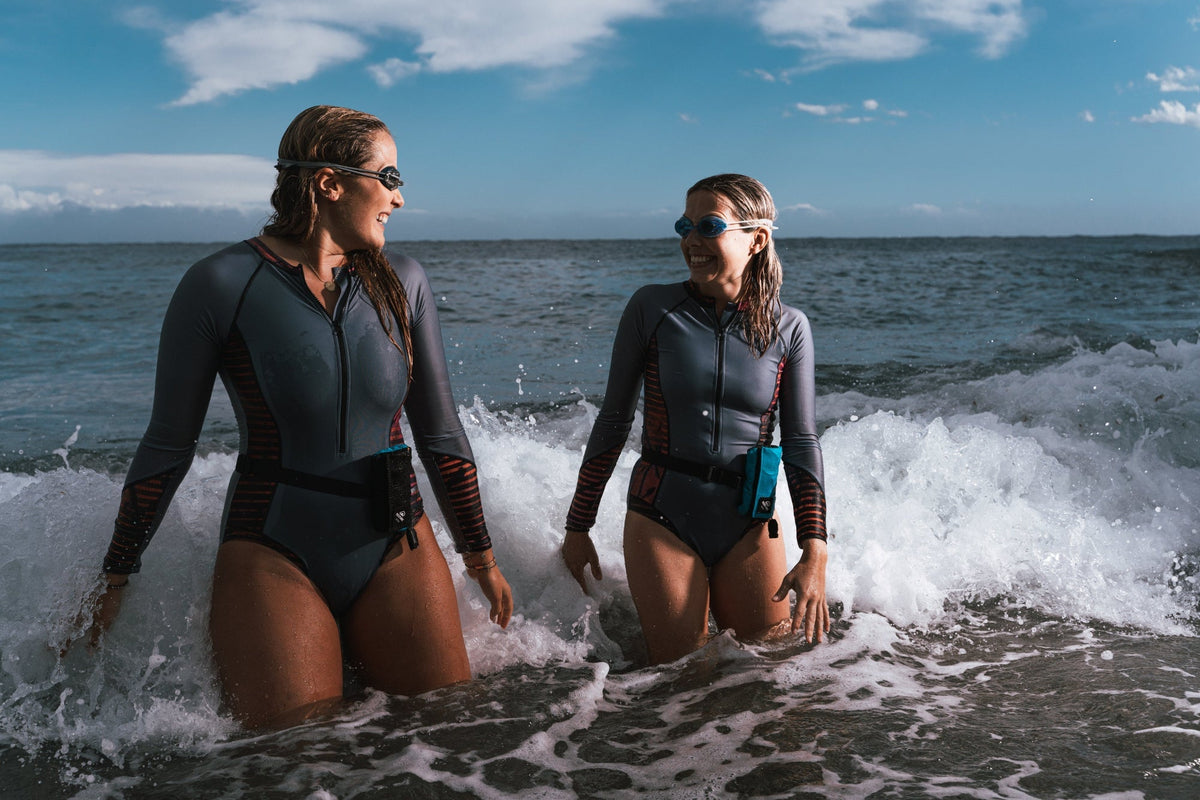
A tow float (also called a swim buoy) is a bright, buoyant bag or tube that trails behind you on a light cord. Swim England and the Met Office describe two main benefits: it makes you more visible to boats and other swimmers, and it gives you something to hold and rest on. The Met Office adds that many floats have a dry compartment for a phone. RLSS UK also suggests a brightly coloured tow float so you are easy to see (RLSS UK).

Their limits matter just as much:
- Our editorial caution: a tow float is not a life jacket. Do not rely on one to keep an exhausted or unconscious person's face out of the water.
- It does not replace swimming ability, a buddy or a lifeguard.
- The guidance we cite is advice from water safety bodies. The 2011 review above found that lifeguards, CPR training and life jackets have some supporting evidence, and its abstract does not mention tow floats (Moran et al., 2011). We did not find controlled studies of tow floats and drowning outcomes, so we make no claim about rescue effectiveness.
If you choose one, pick a bright colour, check the cord and buckle, and practise holding on to it in shallow water first. Restube makes inflatable swim buoys and other safety buoys; see the Safety Buoys collection if you want to compare options.
Be seen: caps, floats and boats
Swim England and the Met Office recommend a brightly coloured swim hat as well as a float. In the Philippines you may share the water with bangkas, motorboats and jet skis, and swimmers are easy to miss in chop. Swim close to shore, away from boat lanes, and avoid swimming at dawn or dusk when light is poor. These are editorial suggestions, not figures from a study.

Currents, waves and tides
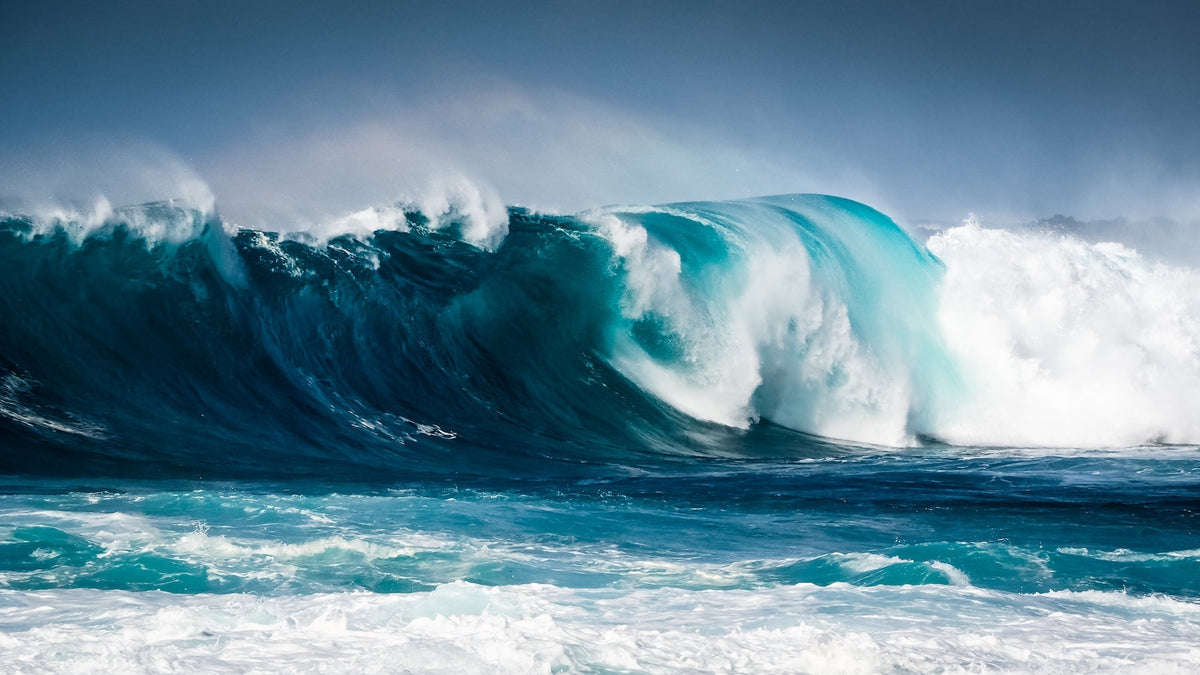
Swim England advises planning your exit by considering currents, tides and wind, and swimming parallel to the shore rather than straight out. Currents can be stronger than they look and can overpower strong swimmers (Met Office, citing RLSS UK).
- At the sea, learn what a rip current looks like and how to escape one: Rip currents and how to escape them.
- In rivers, assume the current is faster than it looks and avoid places where water narrows or drops. See Where and how drownings happen in the Philippines.
- Do not rely on inflatable toys at the coast. The Met Office notes that wind and currents can carry them out to sea.
Heat, sun and dehydration
Warm air and water do not make open water safe. Heat adds fatigue, cramps and dehydration, and you may not notice them while you are cooled by the water. PAGASA's heat index classes 42 to 51°C as "Danger" and 52°C and above as "Extreme Danger", as set out in a DOST article of 10 May 2026 (DOST, heat index explainer; the PAGASA statement of 12 April 2024 confirms a four-tier classification but does not list the ranges: PAGASA). On high heat-index days, swim for shorter periods, drink water before and after, and avoid the hottest hours. More in Sun, heat and hydration.
Marine life and reef hazards
Jellyfish, sea urchins and sharp coral can sting or cut. As a general precaution, wear water shoes on reefs, do not touch or stand on coral, and follow local warnings and lifeguard advice (editorial suggestion). Treatment and species detail will be in Marine hazards in the Philippines.
When to get out
The Met Office, citing RLSS UK, lists shivering, weakness, disorientation, taking in water and shortness of breath as signs to leave the water as soon as possible. Swim England says to end the swim if you tire. Our editorial suggestion for warm water is to add cramp, dizziness, nausea and a racing heart to that list, and to turn back at the halfway point of your planned distance, not when you are exhausted.
If you get into trouble
Swim England's advice is to stay calm, float on your back and get your breathing under control before you do anything else. RLSS UK's Water Safety Code says the same: if you fall in or get tired, stay calm, float on your back and call for help. Raise one arm and call for help. If you are with a buddy, hold on to your float or theirs. If you are helping someone else, call 911 and, wherever possible, throw something that floats instead of entering the water yourself (RLSS UK, which gives the UK emergency number; in the Philippines use 911). Read Recognising drowning and getting help.
Joining an organised open-water swim
Events add safety measures, but you should still ask. World Aquatics' Open Water Swimming Manual (2024 edition) sets safety regulations for open-water events of 5 km or more that it organises or sanctions. Among other things they call for a site-specific safety plan approved by a safety delegate and a medical delegate, every competitor observed during the race so that a struggling swimmer is recognised immediately, immediate rescue and resuscitation available, and careful accounting for all competitors before, during and after the race. Safety topics at the technical meeting include course hazards, marine life, weather, water temperature, water quality, how the safety crew will monitor swimmers and where the safety craft are (World Aquatics, Open Water Swimming Manual, 2024 edition). Those rules cover World Aquatics events, not every local swim, but they make a useful yardstick. Ask any organiser:
- Is there a written safety plan, and are medical staff on site?
- How many rescue craft and lifeguards cover the course, and how are swimmers counted in and out?
- What happens if conditions worsen, and who can cancel the event?
- Which approvals does the event hold? The World Aquatics manual advises organisers to notify local councils, police, hospitals and ambulance services, and to contact the local harbour master where a course crosses busy shipping lanes. We have not found Philippine permit rules for open-water events, so ask the organiser what local government and Coast Guard approvals it has.
Check your own readiness too: swim the distance in a pool first, and do not enter an event on the strength of pool swimming alone.
Related RESTUBE products


Sources
- Swim England. Open water safety. https://www.swimming.org/openwater/open-water-safety/ and hot-weather advice, https://swimming.org/openwater/open-water-safety-advice-hot-weather
- Met Office (UK). Top tips for safe open water swimming, based on RLSS UK recommendations. https://weather.metoffice.gov.uk/warnings-and-advice/seasonal-advice/travel/out-and-about/open-water-swimming
- Royal Life Saving Society UK. Water Safety Code. https://www.rlss.org.uk/wsc
- International Life Saving Federation. Open Water Drowning Prevention Guidelines (announcement), 12 May 2010. https://www.ilsf.org/2010/05/12/open-water-drowning-prevention-guidelines/
- Department of Science and Technology. Heat index categories (Filipino-language explainer, citing PAGASA), 10 May 2026. https://www.dost.gov.ph/knowledge-resources/news/4390-ngayong-tag-init-kaalaman-sa-heat-index-ay-kailangan-pagasa.html ; PAGASA statement on extreme heat protocol, 12 April 2024. https://www.pagasa.dost.gov.ph/press-release/155
- World Aquatics. Open Water Swimming Manual, 2024 edition. https://resources.fina.org/fina/document/2024/01/29/6570516f-e8c1-4e30-a907-de085a6cb29c/01022024_AQUA_2024_Open_Water_Swimming_Manual_V5__FINAL-_DVdB.pdf
- World Health Organization. Drowning fact sheet (version dated 1 May 2026). https://www.who.int/news-room/fact-sheets/detail/drowning
- Cabello N. "Swimming safe," The Freeman (Philstar), 3 October 2015, citing Red Cross swimming guidelines. https://www.philstar.com/cebu-lifestyle/2015/10/03/1507006/swimming-safe
- Moran K, Quan L, Franklin R, Bennett E. Where the evidence and expert opinion meet: a review of open water recreational safety messages. International Journal of Aquatic Research and Education 5(3):251-270, 2011 (abstract). https://researchonline.jcu.edu.au/17644/
- GMA News. "Fecal coliform levels in 60% of beaches in PHL unsafe: EMB-DENR," 25 May 2018. https://www.gmanetwork.com/news/topstories/nation/654606/fecal-coliform-levels-in-60-of-beaches-in-phl-unsafe-emb-denr/story
Last reviewed: 12 October 2026.